You may have put off cosmetic dental work for years because it felt separate from regular care, too expensive, or hard to fit into your life. That is common. A lot of people think whitening, bonding, veneers, or smile repairs belong in a different category from cleanings and fillings, as if you need a whole new office, a whole new budget, and a whole new level of confidence just to ask about them. If you are looking for a dentist in Southwest Charlotte, you may be surprised to learn that cosmetic options can often be discussed as part of your regular dental care.
That gap is exactly why family dentistry matters. When your regular dental office also offers cosmetic care, the process gets simpler, more familiar, and easier to plan for. You can talk about how your teeth look during the same visits where you talk about how they feel and function. That makes cosmetic dental care through family dentistry more reachable for people who want improvement without turning it into a major project.
Family dentistry removes barriers that keep cosmetic services out of reach
Most people do not wake up one day and decide to overhaul their smile. It usually starts smaller. A front tooth chips. Stains stop responding to whitening toothpaste. Old dental work becomes more visible. You begin smiling with your lips closed in photos, or covering your mouth when you laugh. The issue may seem cosmetic on the surface, but it often affects comfort, confidence, and even how often you seek care.
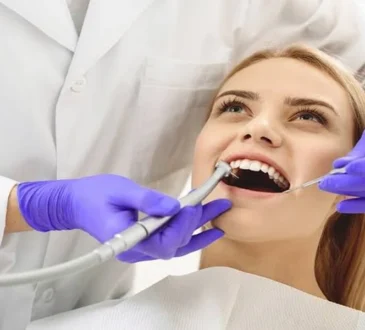
Family dental offices can close that gap because they already know your oral health history. If you need whitening, tooth colored bonding, contouring, or a plan for replacing worn restorations, the conversation happens in a setting you already trust. That lowers the emotional barrier. It also helps your dentist recommend options that fit your bite, gum health, and budget instead of treating cosmetic goals as separate from everything else.
Access matters because oral health is not evenly distributed. The CDC outlines ongoing oral health equity challenges tied to income, education, disability, and access to care. Cosmetic concerns may seem optional from the outside, but when appearance affects self esteem, work interactions, or willingness to seek treatment, the issue becomes more personal and more immediate.
General and cosmetic dentist services work better when care is connected
A general and cosmetic dentist can often spot opportunities to improve both health and appearance at the same time. If a tooth needs a filling in a visible area, a tooth colored restoration can protect the tooth and blend in naturally. If grinding is wearing down your enamel, cosmetic repair may be paired with a night guard so the problem does not keep coming back. If gum health needs attention before whitening or veneers, that can be handled first without sending you to another starting line.
This connected model saves time, but it also reduces confusion. You are not piecing together advice from different offices with different priorities. You are getting one care plan that looks at function, prevention, and appearance together. The CDC’s overview of oral health and overall well being supports what many patients already feel in daily life. Oral conditions affect eating, speaking, social comfort, and quality of life. Cosmetic concerns often sit right in the middle of those experiences.
Cost is another reason accessibility improves in family practice settings. Cosmetic services may still be an investment, but patients often get clearer sequencing. You can handle urgent treatment first, then phase in appearance based improvements over time. That is very different from feeling pressured into a full smile makeover when what you really need is a realistic plan.
Family cosmetic dentistry supports gradual, practical treatment choices
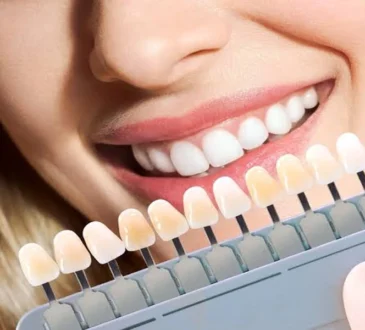
Not every cosmetic goal needs a high cost solution. Sometimes a patient assumes veneers are the only answer, when bonding or whitening may solve the problem well enough. Sometimes replacing one worn crown that shows when you smile makes a bigger difference than six cosmetic procedures. This is where family cosmetic dentistry becomes more accessible than people expect. It often starts with what matters most to you, then builds from there.
Research from the National Institute of Dental and Craniofacial Research, published in Oral Health in America, shows that oral health affects social and economic well being across the lifespan. That lines up with the lived experience many adults carry for years. They are not chasing perfection. They want their smile to stop feeling like a problem.
Practical differences between separate cosmetic care and family based cosmetic dentistry
| Factor | Separate Cosmetic Office | Family Dentistry Setting |
|---|---|---|
| Familiarity with your history | May require new exams, records, and treatment review | Often already knows your dental history, bite, and past work |
| Treatment planning | Cosmetic goals may be discussed apart from routine care | Appearance, function, and prevention can be planned together |
| Comfort level | New office and new team can add stress | Established trust can make cosmetic conversations easier |
| Budget flexibility | May focus on larger elective cases | Often easier to phase treatment over multiple visits |
| Follow up care | Maintenance may be split between offices | Routine checkups and cosmetic maintenance stay connected |
Small steps make cosmetic dentistry more accessible
Ask during your routine visit. Bring up the one thing that bothers you most, even if it seems minor. A stain, chip, gap, or worn edge can open the door to practical options you may not have considered.
Request a phased treatment plan. If cost feels heavy, ask what can be done first, what can wait, and which treatments offer the biggest visual improvement for the lowest investment. A good plan should fit your life, not disrupt it.
Focus on combined goals. If a tooth needs repair anyway, ask whether the fix can also improve the look of your smile. Restorative and cosmetic care often overlap, and that overlap is where access improves.
Accessible cosmetic dental care starts with a familiar conversation
You do not need to treat smile concerns as vain, minor, or separate from your health. When cosmetic services are part of family dental care, they become easier to understand, easier to plan for, and easier to act on. That is how family dentistry makes cosmetic services more accessible. It turns a private worry into a normal part of care, and that alone can make the first step feel possible.
If you have been waiting for the right time to ask about improving your smile, bring it up at your next visit and start with the concern that has stayed with you the longest.